What to Bring Birdwatching in Monteverde
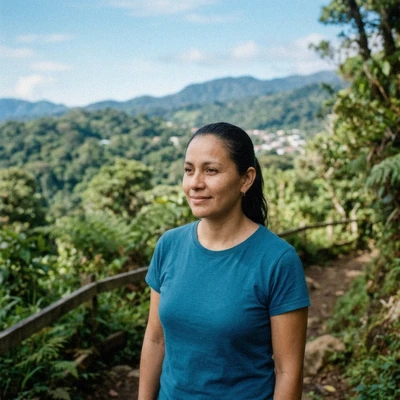
What to bring birdwatching in Monteverde comes down to a short list, since the guided mornings on this site already include binoculars and a scope, so what's left on you is closed comfortable shoes, long trousers, a waterproof jacket and photo ID for the reserve's liability form. Humidity at Santa Elena Cloud Forest Reserve stays above 90% year round, and the birding elevation band runs 1,200 to 1,800 metres, so mornings are cool for the tropics even before the mist rolls in. Borrowed optics on a guided morning solve most of what would otherwise be a real packing decision.
Quick answer
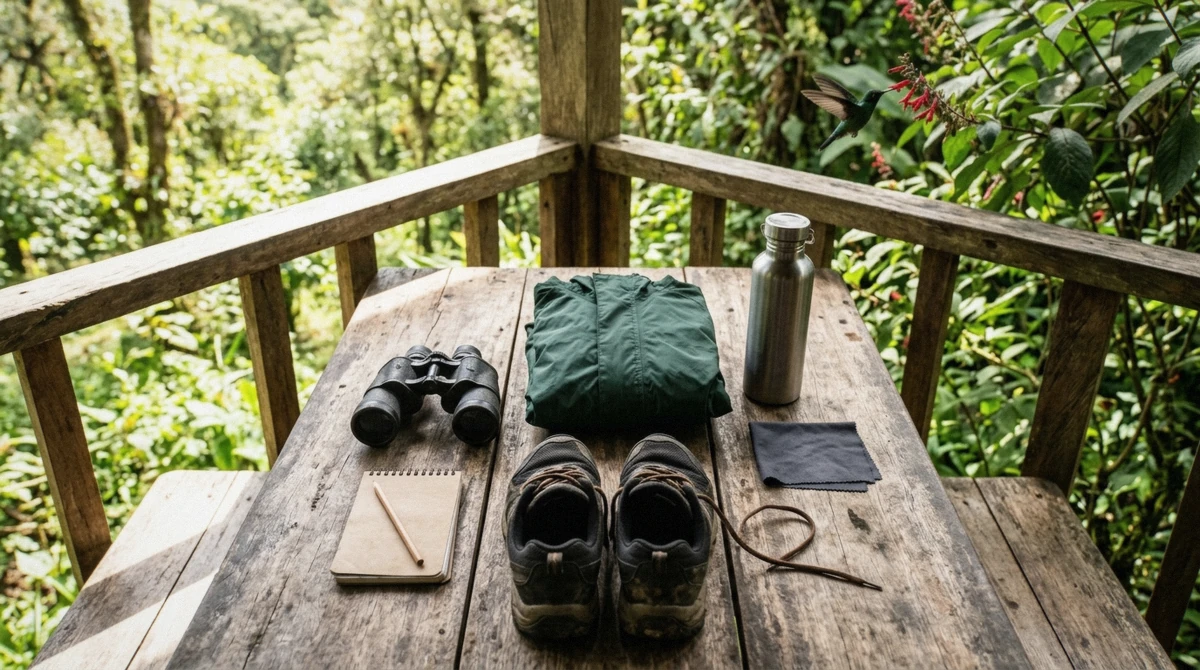
Bring closed comfortable shoes, long trousers, a waterproof jacket, water, insect repellent, sunscreen and photo ID, that's Curi-Cancha's own required list plus the ID needed for its liability form. Binoculars are not required to bring your own since every Monteverde birding tour with binoculars included hands you a pair, and guides carry a spotting scope besides. Humidity sits above 90% year round, so a microfibre cloth for fogged lenses earns its place too.
Key takeaways
- Guided mornings provide binoculars and a scope, so a personal pair is optional, not required
- Photo ID is mandatory at Curi-Cancha to sign the entry liability form, pack it, don't leave it at the hotel
- Closed shoes and long trousers are Curi-Cancha's own required kit, not just a suggestion
- Humidity stays above 90% year round, so lenses fog and a microfibre cloth matters more than most packing lists admit
- 8x42 is the standard birding binocular if you do bring your own, see the optics section below for why
- For the guide-versus-solo cost picture, see do you need a guide for Monteverde birding
What Goes in the Day Bag
Curi-Cancha's own required list, plus the practical add-ons worth carrying. Everything here fits in a small day pack.
- Closed comfortable shoes, Curi-Cancha's own required footwear, trails are wet and rooty
- Long trousers, required at Curi-Cancha, also cuts down on insect bites in tall grass
- Waterproof jacket, mist and short showers are normal at any time of year
- Water, no reliable place to refill once you're on the trail
- Insect repellent, part of Curi-Cancha's own required kit
- Sunscreen, the canopy shades most trails but breaks in the cover let sun through
- Photo ID (passport copy or driving licence), required to sign the liability form at Curi-Cancha's entrance
- Microfibre lens cloth, humidity above 90% fogs binoculars and camera lenses fast
- A dry bag or rain cover, trails are wet and both hands are usually on binoculars
- Small cash, for tips and any purchase that isn't set up for cards
What to Wear by Conditions
Dry season, roughly December through April, and wet season, roughly May through November, don't actually change the kit much here, cloud and mist are normal at any time of year, and the reserves themselves call it part of the experience rather than an exception.
| Conditions | Wear this |
|---|---|
| Clear dry-season morning | Long trousers, light long-sleeve top, waterproof jacket packed, not worn |
| Misty or drizzling | Waterproof jacket worn, closed shoes with grip, a cap under the hood if wind is light |
| Windy on an exposed ridge | An extra light layer, wind on the Continental Divide is a real factor December to February |
| Heavier wet-season shower | Full waterproof jacket, and accept some of the walk will simply be wet |
Wind is a genuine birding factor on exposed sections during the December to February trade-wind months, gusty ridges push birds down into cover, so a slightly heavier layer on those mornings isn't just about staying warm, it changes where you should expect to look.
Mornings Where the Kit Is Provided
Every guided morning below hands you binoculars, and the guide carries a scope, so your own packing list gets shorter the moment you book one.
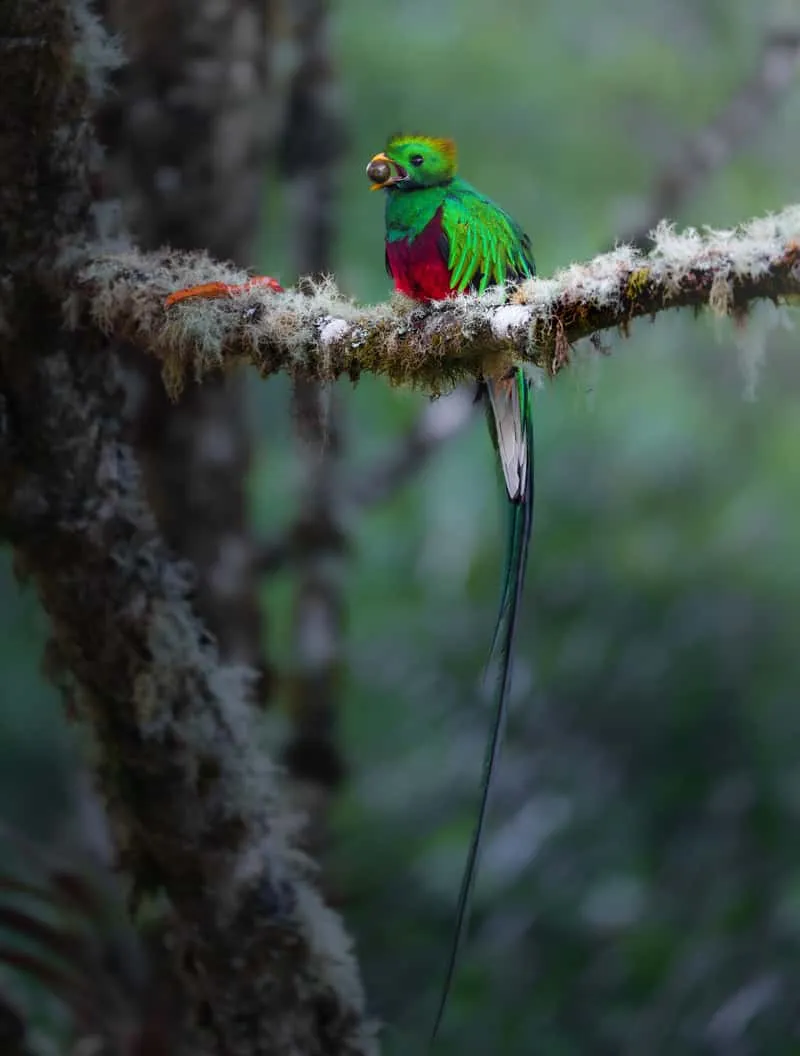 from $70
 Monteverde Half-Day Bird Watching Tour
A well-paced half-day bird watching tour through the Monteverde cloud forest. Small group sizes keep noise low and sightings high. The guide will help identify species by sight…
- Small group — low noise policy
- Guide IDs birds by call & sight
- Species checklist provided
- 4-hour half-day format
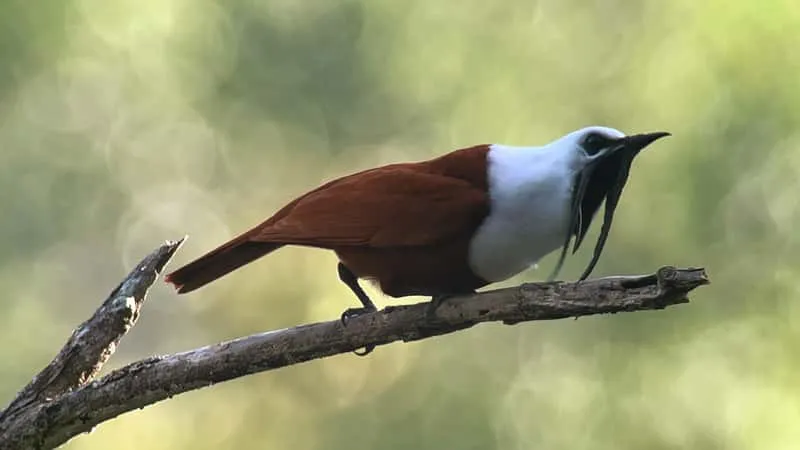 from $72
 Monteverde Birdwatching Half-Day Tour
Explore the cloud forests of Monteverde with a specialist ornithologist on this half-day birdwatching tour. Binoculars provided. Expect to spot toucans, hummingbirds, and dozens of endemic cloud forest…
- Expert ornithologist guide
- Primary cloud forest trails
- 30–60 species in one morning
- Binoculars & scope provided
 from $90
 Birdwatching Tour in Monteverde with an Expert Local Guide
Join a born-in-Monteverde birding specialist for a 4-hour sightseeing tour through the cloud forest. The guide's lifetime of local knowledge means you'll find species most visitors miss —…
- Born-in-Monteverde specialist guide
- Rare species others miss
- 4-hour deep forest walk
- Private or small group option
Binoculars, and Why You May Not Need Your Own
8x42 is the standard all-round birding binocular, and it gathers more light under canopy than a compact 10x25, which matters in a forest this shaded. If you're buying a pair specifically for this trip, that's the spec to look for.
But the honest concession is that most visitors don't need to buy anything at all. Every guided tour compared on this site includes binoculars, and guides carry a spotting scope on top of that, which resolves detail a handheld pair can't match at canopy height. For most visitors, especially anyone not planning to keep birding regularly after this trip, borrowed optics on a guided morning solve the whole question.
Save the purchase for if birding turns into more than a one-trip interest.
Footwear and Long Trousers
Closed comfortable shoes and long trousers are both on Curi-Cancha's own required list, not just general advice. Trails through the cloud forest are wet and rooty most of the year, and open sandals or shorts leave you exposed to both slick footing and the insects that come with humidity above 90%. A pair of shoes with real tread, already broken in before you fly, is worth more here than almost anything else on this list.
Trousers don't need to be technical hiking gear, quick-dry fabric is more comfortable than denim once it's damp, but the requirement itself is about coverage, not performance fabric. The Curi-Cancha reserve guide covers the entry rules in full if you want the complete picture before you go, this list only covers what to actually pack for them.
The same footwear logic applies at the other three reserves compared here, even where the rule isn't printed as explicitly as it is at Curi-Cancha. Wet limestone and root-crossed trail don't care which gate you entered through.
Bring, Borrow or Leave Behind
| Item | Bring | Borrow on a guided tour | Leave behind |
|---|---|---|---|
| Binoculars | Optional, if you already own a good pair | Yes, included on every guided morning here | A cheap compact pair, worse than what's provided |
| Spotting scope | Not practical to carry your own | Yes, guides carry one | N/A |
| Photo ID | Yes, required at Curi-Cancha | N/A | N/A |
| Rain jacket | Yes | N/A | An umbrella, useless with both hands on binoculars |
| Closed shoes | Yes, required at Curi-Cancha | N/A | Sandals or flip-flops |
| Insect repellent | Yes, on Curi-Cancha's own list | N/A | N/A |
| Field guide book | Optional | Guide identifies species verbally on a guided walk | A heavy printed guide, if going guided |
| Bird call app or speaker | Leave it | N/A | Playback disturbs birds and most reserves discourage it |
| Tripod | Not practical on foot trails | N/A | N/A |
| Cash | Yes, small bills | N/A | N/A |
Keeping Optics and Cameras Dry in a Cloud Forest
Lenses fog constantly at this humidity, a microfibre cloth is worth more here than in almost any other birding destination, and it's the single most forgotten item on most packing lists. A dry bag or a simple rain cover for a day pack matters more than an umbrella, since both hands are usually occupied with binoculars the moment something worth seeing appears.
There's no reliable mobile signal on the trails at any of the reserves, so a phone used for photos won't double as a map or a lifeline once you're a few hundred metres in. Reserves ask visitors to stay on marked trails, keep noise down and avoid feeding animals, rules worth following for the forest's sake as much as for a clean visit.
A dedicated camera fares better than a phone in this humidity if photography is a real priority for the trip, since a phone left in a damp pocket for hours tends to fog internally in a way a proper weather-sealed body resists. Either way, the same dry bag that protects your binoculars protects a camera body just as well, so there's no need to carry two separate waterproofing solutions for two pieces of gear that both just need to stay dry.
Packing for Your Kind of Morning
If you're booking a guided birding tour
pack the day-bag basics above and skip buying binoculars, the tour provides them.
If you're going self-guided at any reserve
bring your own 8x42 binoculars if you have them, since no scope or guide will be there to fill the gap.
If it's wet season, roughly May through November
add a proper waterproof jacket over a light windbreaker, short heavy showers are normal.
If you're prone to fogged lenses or glasses
carry two microfibre cloths, one always seems to be damp by mid-morning.
If you forgot photo ID
you cannot enter Curi-Cancha, it's required for the liability form at reception, no exceptions.
What Not to Bring
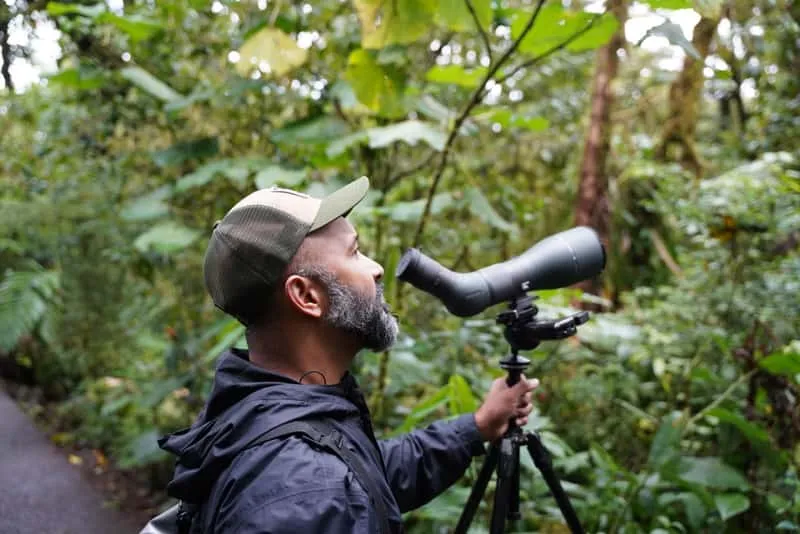
A bird call app or portable speaker to play recordings and lure birds in is worth leaving at home. Playback disturbs birds and habituates them to a stress response, and most reserves and guides here discourage it. A tripod is impractical on narrow foot trails and adds weight for little real benefit when a guide's scope already does the close-up work.
A heavy printed field guide is dead weight on a guided walk, where the guide identifies everything verbally, though it's still worth carrying if you're going self-guided and want to look things up on the spot.
Valuables you don't need for the day, a passport beyond the copy required for entry, large amounts of cash, are better left at the hotel safe. Curi-Cancha and the other reserves ask only for a photo ID copy, not the original document, so a scan or photocopy covers the requirement without the risk of losing the real thing on a muddy trail.
Packing for a guided night walk is a slightly different list, a headlamp with a red-light setting matters more there than binoculars do, but the shoes, the rain layer and the photo ID rule carry over from a daytime visit.
The list looks longer written out than it feels in practice. Most of what people worry about packing turns out to already be handled by a guided tour, the binoculars, the scope, the identification. What's genuinely on you is short: real shoes, a rain layer, and photo ID if Curi-Cancha is on your plan.
I still see visitors turn up in sandals expecting to swap shoes at the gate, and it rarely works out well on wet limestone or root-crossed trail. Sort the footwear and the rain layer before you fly, and the rest genuinely takes care of itself.
Frequently Asked Questions
What should you bring birdwatching in Monteverde?
Closed comfortable shoes, long trousers, a waterproof jacket, water, insect repellent, sunscreen and photo ID for Curi-Cancha's liability form. Binoculars are optional if you're booking a guided tour, since they're included.
Do you need your own binoculars in Monteverde?
Not for a guided morning, every guided tour compared on this site includes binoculars and the guide carries a spotting scope. Self-guided visitors should bring their own since no optics are provided at the gate.
What binoculars are best for cloud forest birding?
8x42 is the standard all-round choice, it gathers more light under a shaded canopy than a compact 10x25, which matters in a forest this dense with cover.
What shoes should you wear in the Monteverde cloud forest?
Closed comfortable shoes with real tread, already broken in. Trails are wet and rooty most of the year, and Curi-Cancha lists closed shoes among its own required kit.
How do you keep a camera dry in a cloud forest?
A dry bag or rain cover for your day pack matters more than an umbrella, since both hands are usually busy with binoculars. A microfibre cloth for fogged lenses is worth carrying too, humidity stays above 90% year round.
What should you leave at the hotel?
Your passport itself, beyond the copy needed for Curi-Cancha's entry form, large amounts of cash, a bird call speaker or app, and a tripod, all better left behind than carried on a foot trail.